
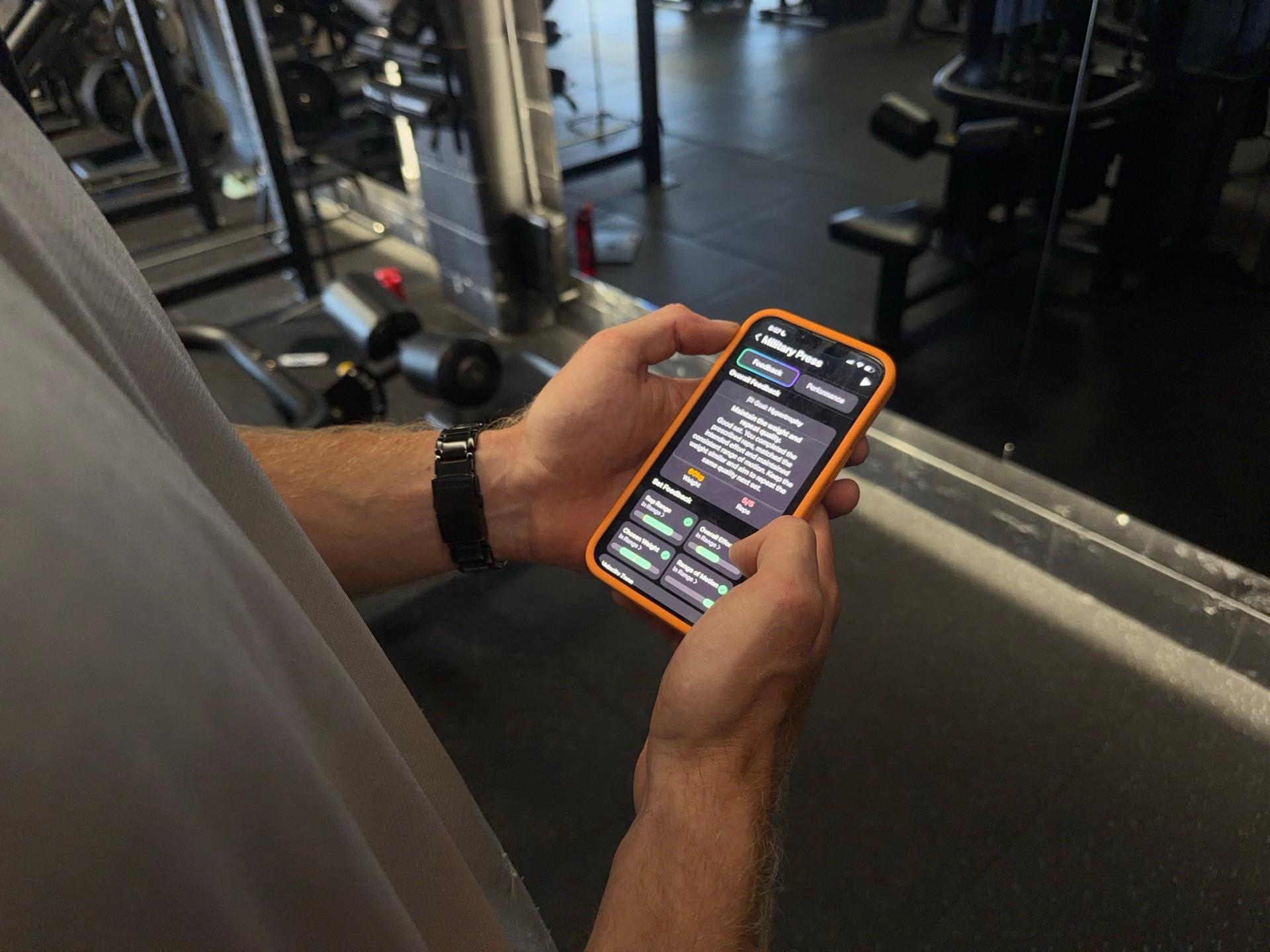
Strength training
has evolved
The science has too. But most people
are still training without it.
01 · Where it began
Training became measurable.
To understand why we built InForm it helps to understand how strength training has evolved over time. Structured programming was introduced in the 1940s, using sets, reps and intensity to better plan training, prescribe sessions and track progress. But while these measures tell us what was prescribed and completed, the important factors on how sets were performed still remain.
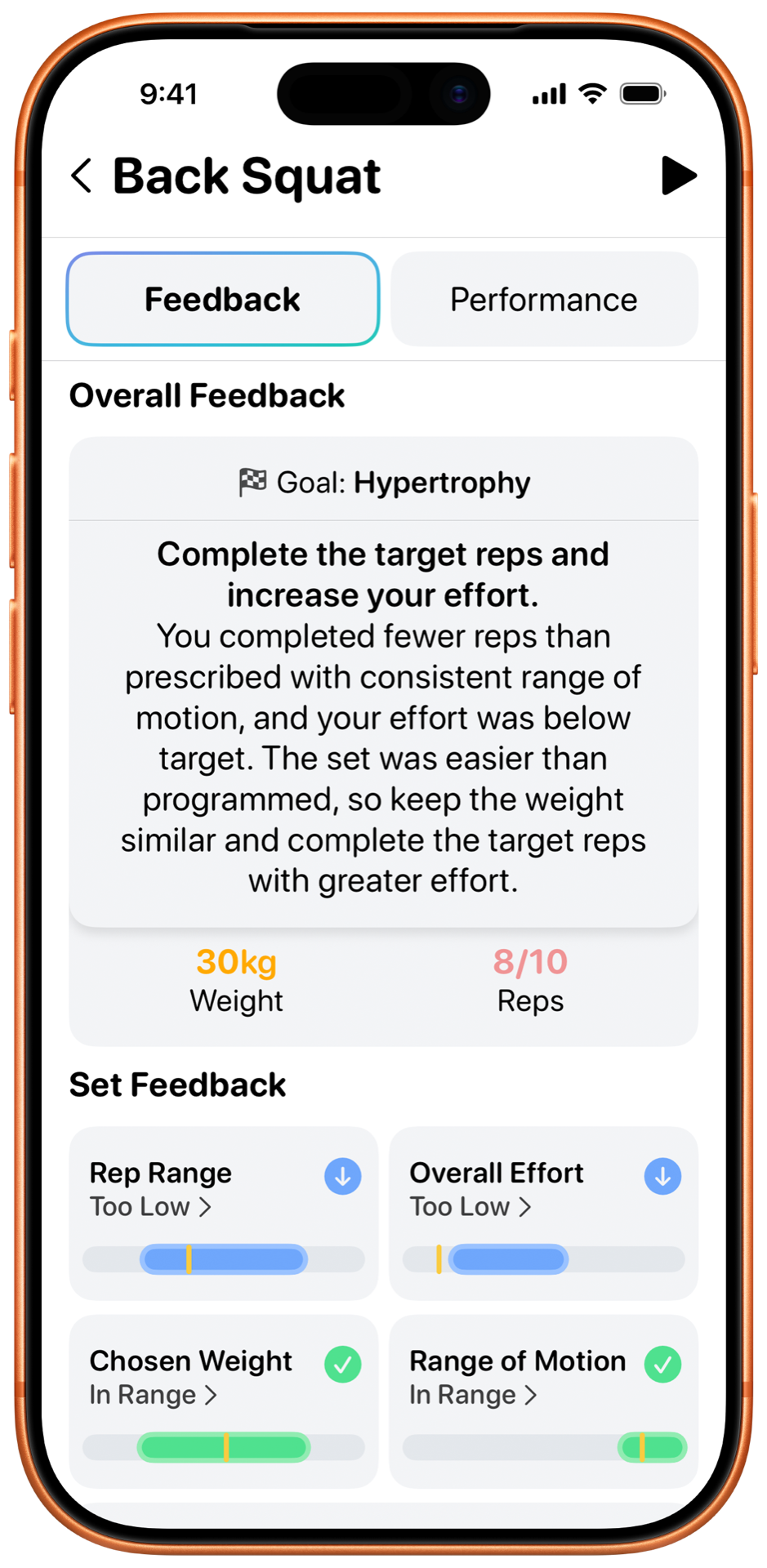
Progression
Was the same weight moving better than last time?
Fatigue
How much did performance drop across the set?
Consistency
Was range of motion maintained?
Performance
How fast was the weight moving?
Accountability
Did the set actually match the intended RPE?
Freshness
Is the athlete adapting between sessions?
02 · The old solution
The data already exists.
Access has been the problem.
For years, coaches and high performance teams have answered these questions using velocity-based training and specialised tracking hardware. The problem is that traditional systems can cost thousands of dollars, produce complex data and are generally built for environments where coaches or sports scientists are there to interpret it. That makes powerful performance information far less accessible for everyday training.
03 · The solution
InForm removes that barrier.
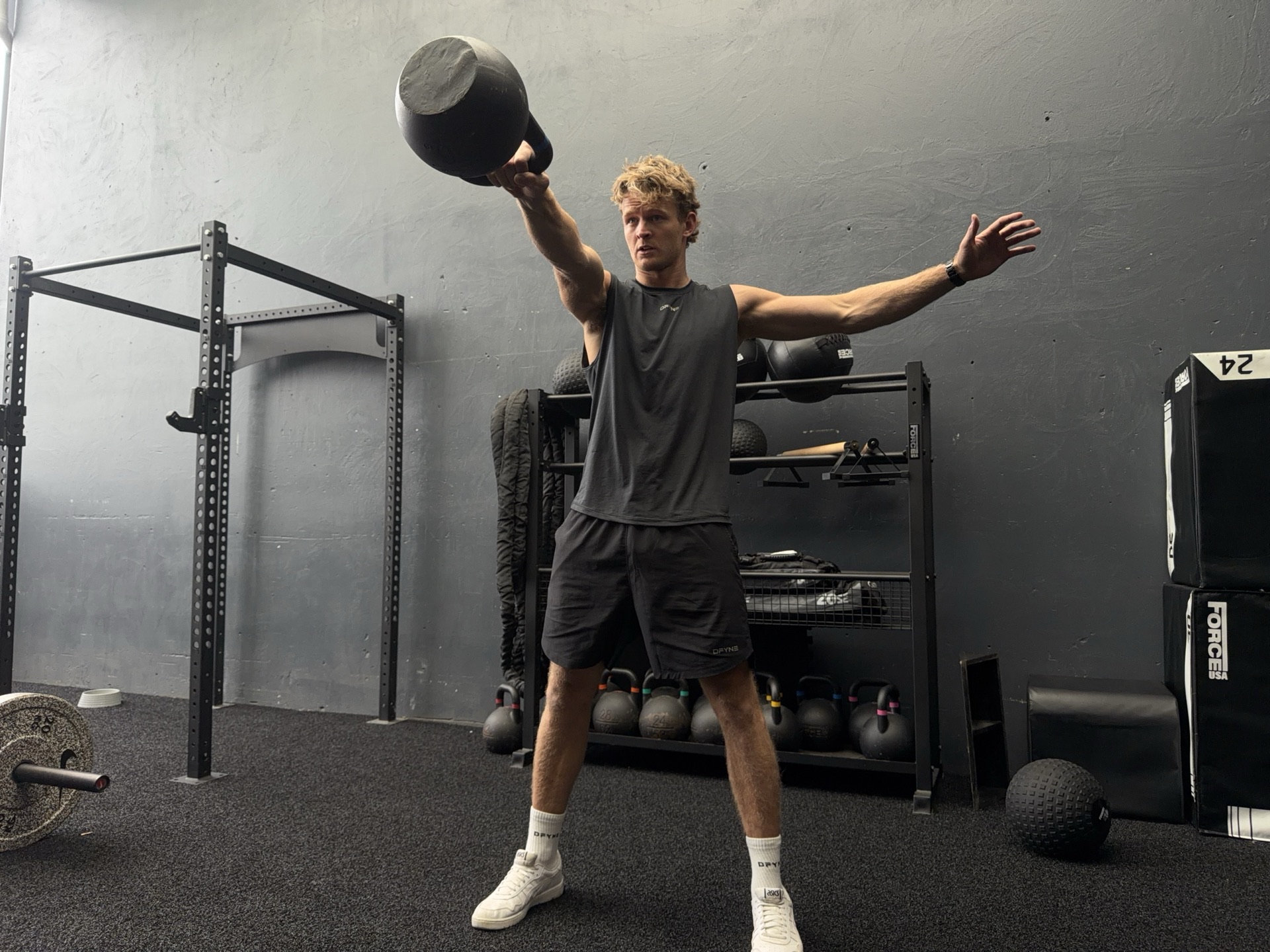
Using the camera already in your pocket, InForm turns every set into measurable performance data, tracking things like rep speed, fatigue, effort and movement. Then, instead of leaving you with a screen full of numbers, it translates all of it into simple, live coaching feedback you can actually use.
And we didn’t stop at traditional bar tracking. InForm can analyse barbells and dumbbells, detect left- and right-side movement independently, assess movement throughout the lift, and turn that into clear feedback, suggestions and visualisations. So the technology works around the way you train. Not the other way around.
04 · Why this matters to us
Built from experience.
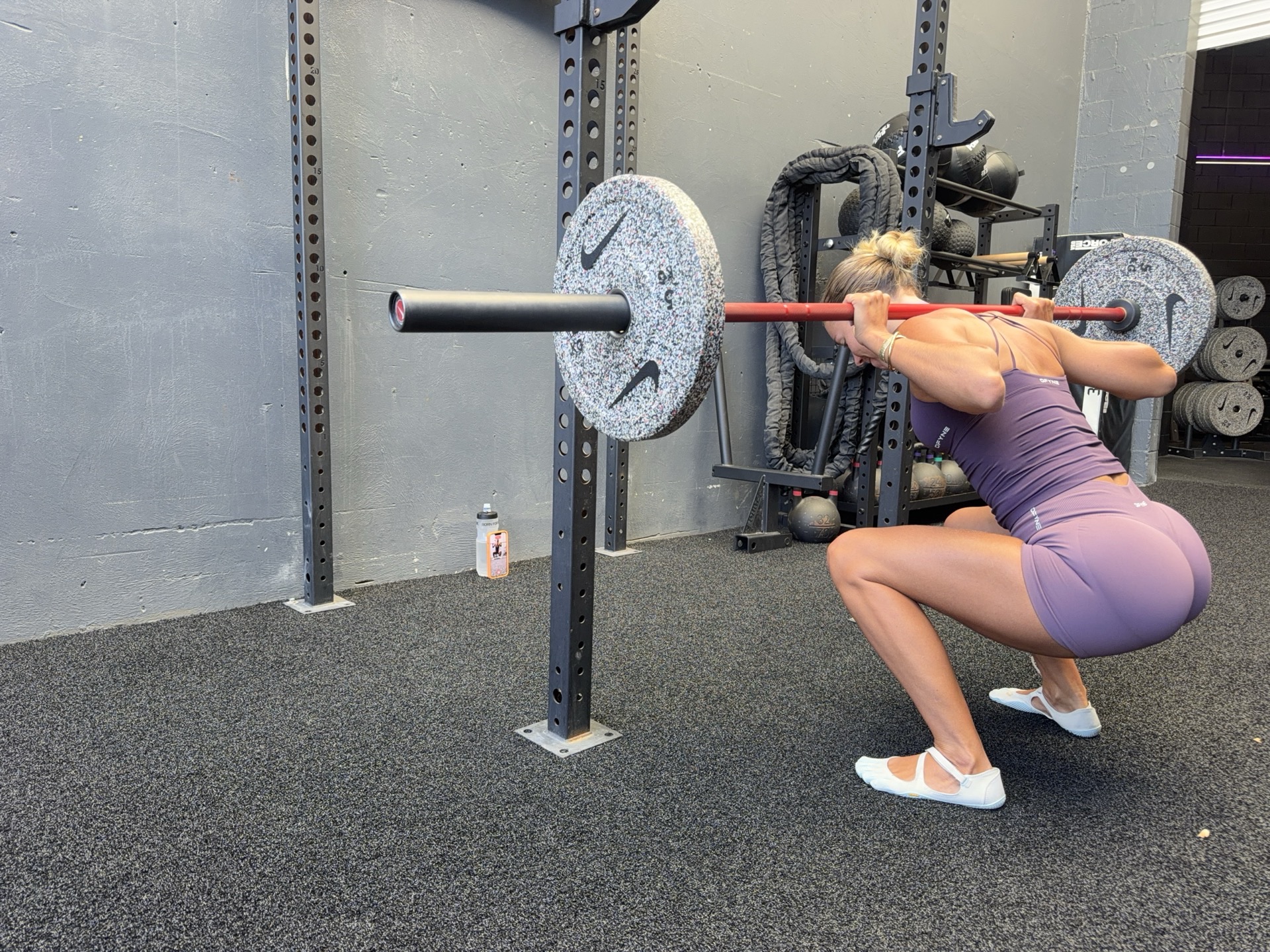
InForm wasn’t built from theory alone. As athletes, our founders had periods where, on paper, training looked like it was going well. Weights were increasing, sessions were being completed and the numbers suggested progress. But what those numbers couldn’t show were the warning signs underneath: changes in movement, fatigue, effort and performance that eventually contributed to serious injuries.
That experience exposed a gap in the way strength training is measured. Completing the prescribed sets and reps doesn’t always mean everything is going well. We built InForm to help make more of what is actually happening during a set visible, so athletes and everyday lifters can make better-informed decisions before those warning signs are missed.